
“The wonder is that you could start life with nothing, end with nothing, and lose so much in between.” – Demon Copperhead
Against the backdrop of Lee County, VA, that quote takes on a sharper meaning. Long dismissed and caricatured, the region has carried the cost of outside industries that profited through exploitation while leaving little behind, none more devastating than the pharmaceutical companies whose marketing and pills accelerated an addiction crisis without accountability.
And yet, Lee County is deeply rooted in Appalachian Resilience. It is a place people call home, where they remain despite challenges, and today, some Lee County women are finding the chance to rebuild lives of tenacity in a region that has long tested them.
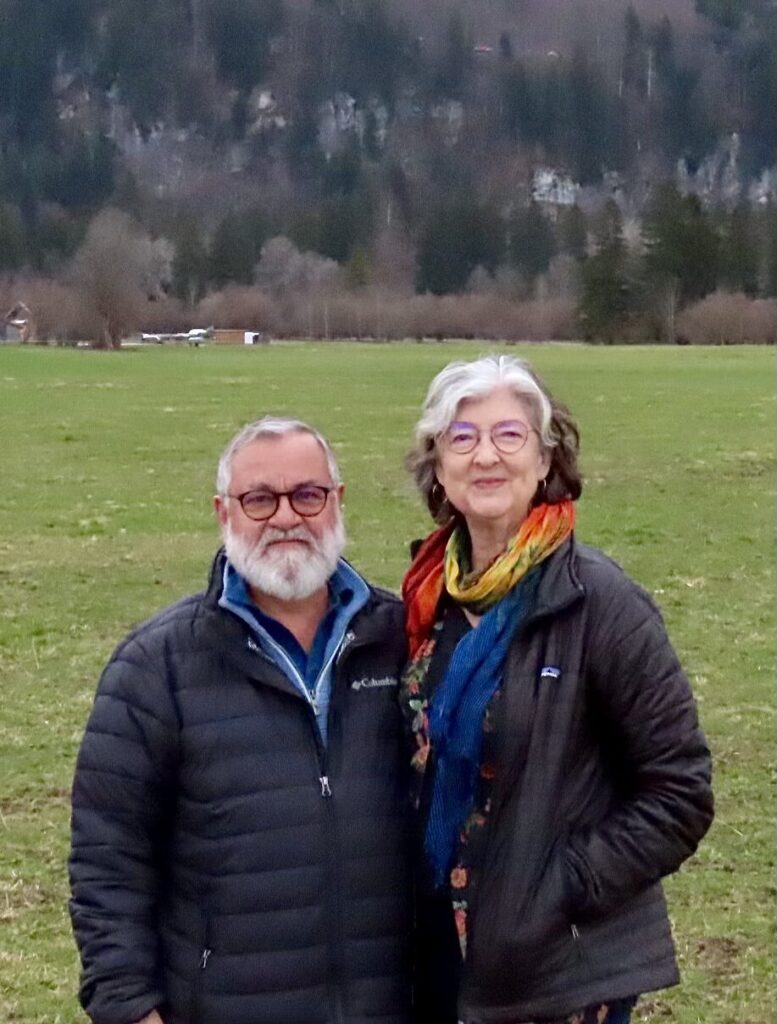
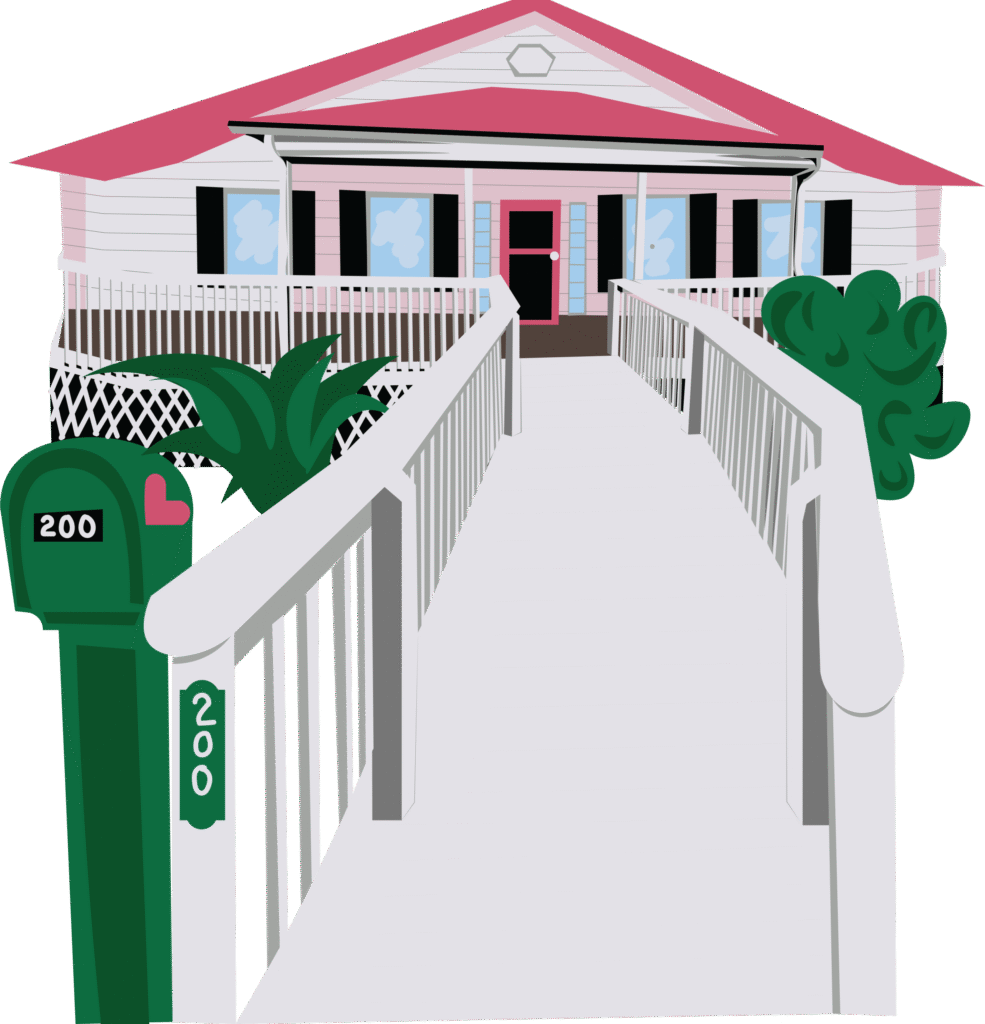
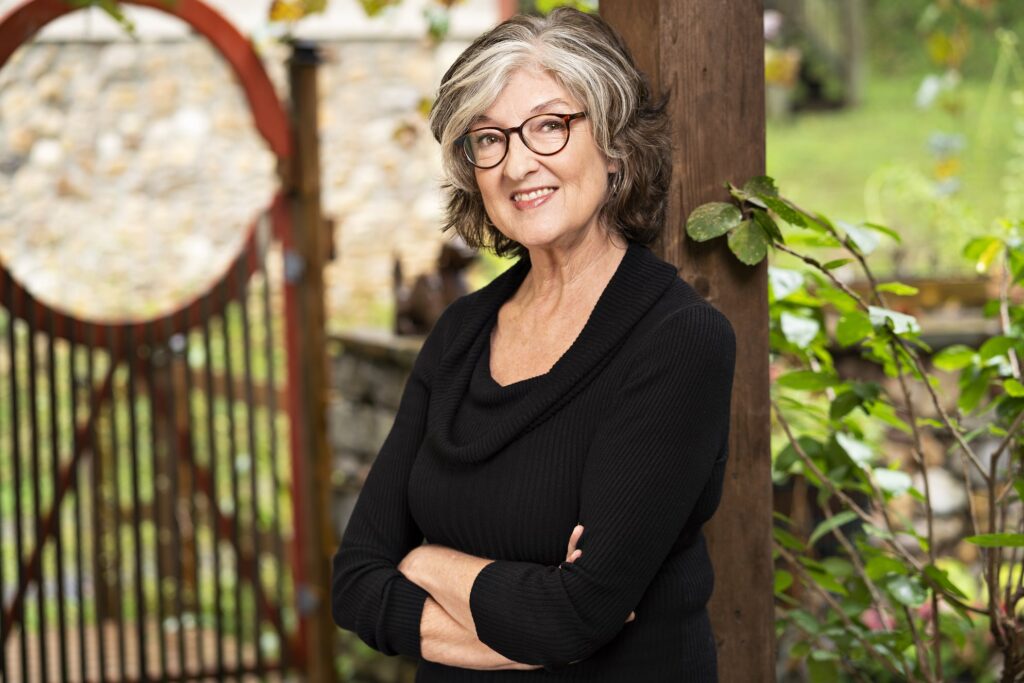
Higher Ground Women’s Recovery Residence was founded a year ago by Barbara Kingsolver and her husband, Steven Hopp, using royalties from her novel Demon Copperhead, which won both the 2023 Pulitzer Prize for Fiction and the 2023 Women’s Prize for Fiction. The residence is located in the very county that inspired her award-winning novel.
“Barbara was adamant that the home itself be in Lee County, because a lot of the people she interviewed for the book were from there,” said Joie Cantrell, President of the Board of Directors of Higher Ground and Co-Chair alongside Dr. Art Van Zee. “The book had given so much to her, she really wanted to give back to the people of Lee County.”
This recovery residence stands as proof that loss is not the whole story, and that, sometimes against all odds, what was taken can be answered with care, dignity and a second chance. Beyond acting as a symbol of hope, the residence is actively reshaping how recovery is approached in Appalachia and beyond. Rather than leading with strict discipline and a lack of trauma-informed care, Higher Ground starts with empathy, building a community-driven haven where women are supported in finding lasting recovery.
While the five-bedroom house only holds about seven women at a time, the door is always open. “If we had a need, we would make a room,” Joie said. “We’re not gonna let someone be on the street.”
Many of the women arrive carrying heavy financial burdens, averaging $13,000 in debt from child support, restitution and other obligations. To make the program accessible, Higher Ground charges just $50 a week, far below the thousands typically required by other recovery residences. “We set it so low because there are so few employment opportunities in Pennington Gap,” Joie said. “Then you put in that someone has a felony in the past… that automatically makes it harder for them to get a job.”
The program at Higher Ground ranges from six months to as long as two years. In its inaugural year, 10 women have come through its doors, three of whom have completed the initial six-month program. Each resident chooses whether to work full-time or attend school. Higher Ground works to make sure each of these options is accessible to residents.
For those who choose to pursue it, the residence guarantees a two-year college degree for every woman in the program, transforming recovery into a chance to build stability and break down barriers for reentry into the community.
For many women in recovery, the tools to navigate everyday life — skills we often take for granted — have never been fully within reach. At Higher Ground, those gaps are intentionally bridged. The program weaves together community resources and hands-on workshops, teaching everything from cooking and financial management to job readiness, including interview techniques, completing applications and finding opportunities that might have otherwise felt out of reach. Each lesson is another step toward independence, self-confidence and a future these women can actively shape for themselves.
As a women’s recovery residence, one of Higher Ground’s central goals is restoring family bonds. “Barbara is very adamant about that,” said Joie. “She wanted to help these women and their children get their lives back together.” Many of the residents arrive carrying deep discouragement, navigating the foster care system while facing the heavy stigma placed on mothers in recovery, with too many people expecting them to fail. Higher Ground offers a safe, supportive space where women are believed in, supported and given the chance to rebuild their families and their futures.
Beyond the challenges of limited public transportation, broken families and finding stable work, stigma casts a long shadow for many women struggling with opioid use disorder, especially in small towns where everyone knows everyone. Some are turned away from grocery stores, denied opportunities because of past mistakes or held back by criminal records. These are barriers that many recovery residences can’t address or simply overlook. At Higher Ground, confronting stigma is at the heart of the program. What these women need most is an advocate, and Director Subrenda Huff is exactly that, guiding, supporting, empathising and standing beside them every step of the way.
“As long as they are determined, I will be determined,” said Subrenda. “I may not know what I’m doing, but I will show up, and that’s what matters.” With a background in foster care, she had seen the other side of the opioid crisis: families broken apart, children placed in foster care while parents struggled with active addiction and the deep stigma faced by those living with substance use disorder. “I had heard the stereotypes. I heard that working with people dealing with substance use was difficult,” she said. But everything changed when Subrenda first stepped in as Interim Director. “I just absolutely fell in love with these ladies,” she said. “Everything that I had heard about the stereotypes was proven wrong.”
Subrenda has two adopted daughters, both of whom have been touched by the opioid crisis. “My children are Demon,” she said, referencing Demon Copperhead and the way its protagonist perseveres through an unforgiving foster care system after losing his mother to substance use disorder. Naturally, her perspective was shaped by a fierce protectiveness over them. But working alongside the women at Higher Ground has shifted her outlook. “These ladies have taught me that recovery is possible… and I can trust in that when it’s time for my daughters to want to meet their biological families… if recovery has been their goal,” she said.
Now serving as director, Subrenda spends her days advocating for and supporting the women at Higher Ground. From the moment they arrive, she ensures they have the essentials: an ID, birth certificate, Social Security card and any other documents needed to establish themselves as students, employees or anything else they aspire to achieve. From there, she works with each resident to set short and long-term goals, keeping them on track every step of the way. She drives them to school, work and appointments, helps schedule follow-ups and provides support in every part of their daily lives, guiding them through the practical and emotional hurdles of recovery.
Subrenda reminds the women at Higher Ground every day that she will keep showing up for them. She checks in on their classes, celebrates their successes and listens to their challenges, fostering an open line of communication and a level of trust rarely seen between residents and directors. “This is their home, and it’s treated as their home,” she said. “I just come to visit friends during the day.” While a curfew is in place, it’s this foundation of trust, not a strict set of rules, that truly sets Higher Ground apart. By giving the women the space to make their own choices, the program fosters accountability and self-motivation, inspiring them to show up for their recovery, pursue their goals and support one another in ways that rigid structures rarely achieve.
But trust at Higher Ground goes beyond encouragement; it’s paired with hands-on advocacy and guidance. “When you get a door closed in your face so many times, you get tired of knocking on it,” said Joie. As an advocate and leader, Subrenda ensures these women are not only heard but also equipped with the skills to navigate a world where doors are often closed for them. She accompanies residents to apply for food stamps, sits in the car and waits while they are in their appointments and stands beside them every step of the way. “The success is being able to maneuver around the resources and the system independently,” said Subrenda, exactly the skill her support helps these women build.
That advocacy extends to meeting immediate needs, especially when the system fails. “We’ve got to do something different, and this is the something different,” said Joie. “We have to make it easier.” When news came that some of the women at Higher Ground might lose their food stamps due to recent government changes, panic set in. Two of the residents were temporarily without benefits and didn’t know how they would manage. “They went straight to Subrenda as soon as they heard; they were just horrified,” Joie recalled. But Higher Ground stepped in immediately. “That’s not something they have to worry about. That’s something we’re going to worry about,” Joie said. The residence began covering groceries for the women, ensuring that their focus could remain on recovery. Unlike many sober living programs, where rent is high and residents receive little support, Higher Ground’s empathy-first approach removes these burdens, proving that when basic needs are met, women can truly concentrate on their growth and healing.
From there, the work moves beyond survival to restoring dignity. Combating stigma is a central focus at Higher Ground, particularly the visible markers of addiction that can invite judgment. Oral health often suffers during active addiction, and many women arrive with severe dental issues, sometimes even missing teeth, barriers that can lead to shame every time they speak or smile. “We are working on getting all of their teeth corrected for them,” said Joie. “When someone looks at them, they know their whole history and they judge them immediately as soon as they see their mouth.” By addressing these barriers, Higher Ground gives the women the freedom to smile without fear, helping them feel confident and unjudged as they move through their community.
That shift is reinforced through service. At Higher Ground, giving back is woven into daily life. Outside of school or work, the women volunteer throughout the community, showing up in visible, meaningful ways. Each resident logs volunteer hours as part of the program. “Through their acts of volunteering, they combat stigma,” said Joie.
That impact is reflected in how the broader community has responded. In Scott County, efforts to open a sober living home were met with resistance, a familiar not-in-my-backyard response. In Lee County, the reaction has been strikingly different. “We have not had any negative feedback from community members,” Joie said. “Only, ‘How can I help?’” Community members regularly stop by the house with donations for the women, offering support rather than suspicion. The generosity has been so abundant that the residents have created “Blessing Boxes” for people in Pennington Gap who are in need. “When you’re the one receiving all the time, it’s a different kind of joy when you finally get to give back,” Joie said. They are always trying to keep the “Blessing Boxes” stocked and have reached out to the community to support this work. “They have a heart for people because they’ve been those people,” said Subrenda. “They give from their need. They have little, but they are giving from that.”
“The judgment is getting better,” said Subrenda. “I’m so thankful people are seeing the differences that are being made.” As the women show up in the community each day, volunteering, restoring their health, attending school and working, neighbors begin to see people, not problems. In those everyday moments, stigma is challenged and slowly dismantled, one interaction at a time.
With one year of operation behind it, Higher Ground is already looking ahead. The organization has recently purchased a thrift store, with plans for all profits to flow directly back into the recovery residence. The store will serve a dual purpose: providing women with access to clothing when they arrive with very little, while also functioning as a workforce development opportunity. Residents will be able to work at the store, gaining valuable skills in customer service, inventory management and running a business. For women who struggle to find employment elsewhere, the thrift store offers an alternative.
Looking to the future, growth is the goal. “We hope to grow,” said Joie. “After the store is up and running and this home is self-sufficient, we hope to grow and do it all over again.” Subrenda put it more simply: “The sky’s the limit.”
In Demon Copperhead, Barbara Kingsolver writes about a place that is last in line, last to receive help and last to be seen once the damage is done. “The people of Lee County, it seems to me, are always forgotten,” said Joie. “They’re the last county in Virginia, and it feels like they’re the last to ever receive anything.” Tucked into the far corner of the state, Lee County is unmistakably the landscape that inspired the novel’s setting.
Higher Ground exists as an interruption to that cycle of loss. Its presence signals a shift, one that places Lee County at the forefront of a new, empathy-driven model of recovery. Rather than repeating systems rooted in punishment and scarcity, Higher Ground begins with care and dignity.
“Barbara’s involvement created the program’s vision,” said Subrenda. Joie added, “Without her, there would be no home.” And with Kingsolver’s name has come a long-overdue spotlight. Support continues to pour in, not only strengthening the women rebuilding their lives within the home, but also offering recognition to a county too often overlooked. In that recognition is hope: hope for opportunity, for connection and for a future where Lee County is no longer last, but finally seen.
Special Thanks
The team at Higher Ground Women’s Recovery Residence extends thanks to the Lee County Community Foundation for helping bring the program to life and for its ongoing support, and to the people of Lee County for their continued embrace and encouragement.
Click the link to directly support women on their recovery journey at Higher Ground Women’s Recovery Residence:
