From Pittsburgh to Pop Icon
Andy Warhol, born in Pittsburgh in 1928, emerged from the Paris of Appalachia to become one of the most influential artists of the 20th century. Known as the King of Pop Art, Andy blurred the lines between high culture and everyday consumer life with his recognizable portraits, soup can imagery and vibrant iconography. His revolutionary embrace of screenprinting transformed a commercial process into fine art, allowing him to mass-produce his images that were instantly recognizable and endlessly experimental.
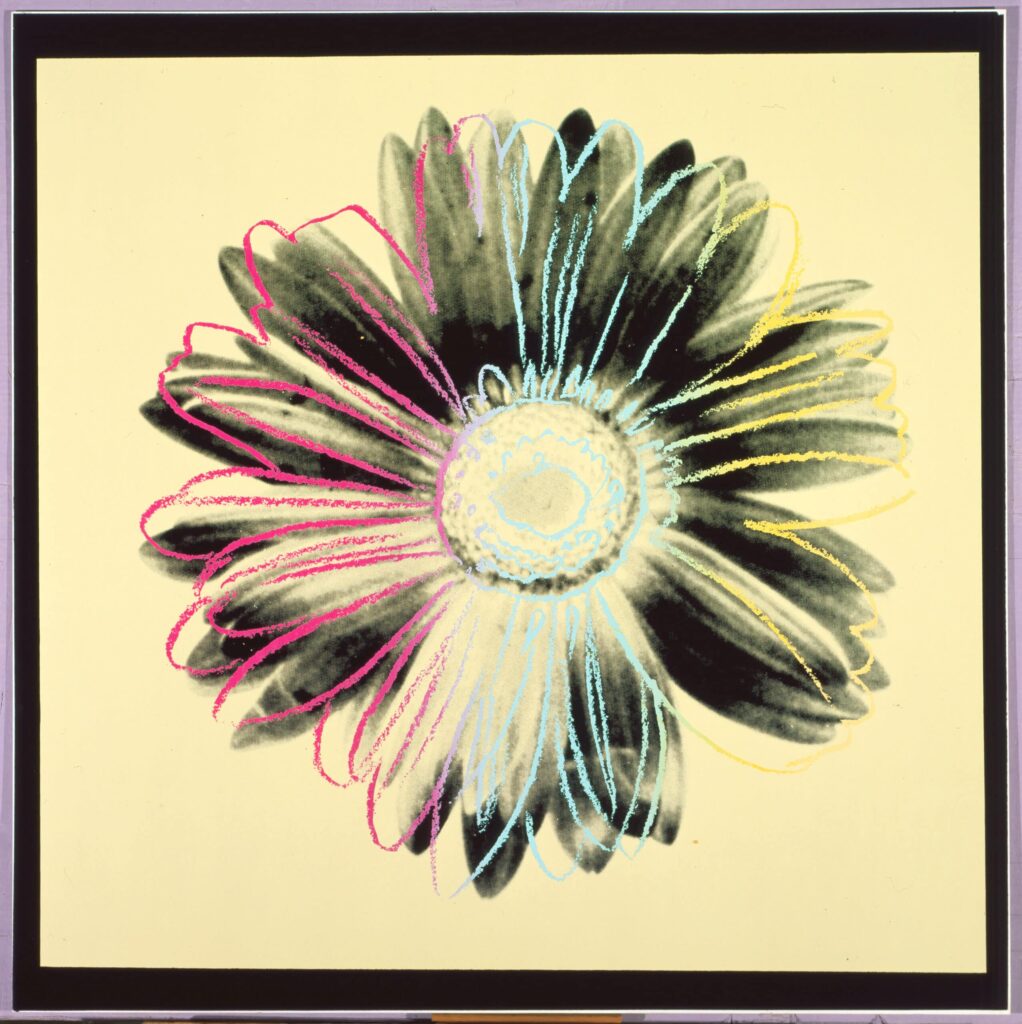
While printmaking has been around for centuries, it has been vastly adapted and advanced throughout history. Printmaking was essential not only to the rise of Pop Art but also to the survival of many working artists. Unlike painting or sculpture, which often exist as single, high-priced objects, a print can be produced in multiples, allowing an artist to earn a living by selling work at more accessible price points. Throughout history, it’s served as an affordable way to communicate and share art. Just as Andy used the process of screenprinting to bring Pop Art into everyday homes, countless artists have relied on printmaking to share their voices widely, ensuring that communities often excluded from traditional art markets can still engage with, own and celebrate the work of their favorite creators.
From woodcuts and linocuts to lithography, etching and digital processes, artists in Appalachia are forever evolving and pushing boundaries within traditional printmaking. Among them are contemporary voices who carry Warhol’s spirit of accessibility forward and reimagine how prints can remain affordable, approachable and widely shared.
Printmaking in the Mountains
Leslie Norris, founder of SugarPopPress in Huntington, WV, creates vibrant works that blend nostalgic iconography with a playful, whimsical tone. Drawing inspiration from everyday imagery, pop culture and personal memory, her prints transform familiar symbols into fresh, lighthearted compositions. The result is work that feels both comforting and imaginative, inviting viewers to rediscover the joy and humor in the icons of their past. Leslie often prints on paper using an extensive color palette and endless details. She produces small-edition prints that maintain her signature vibrancy and consistency, making her work both accessible and relatable.
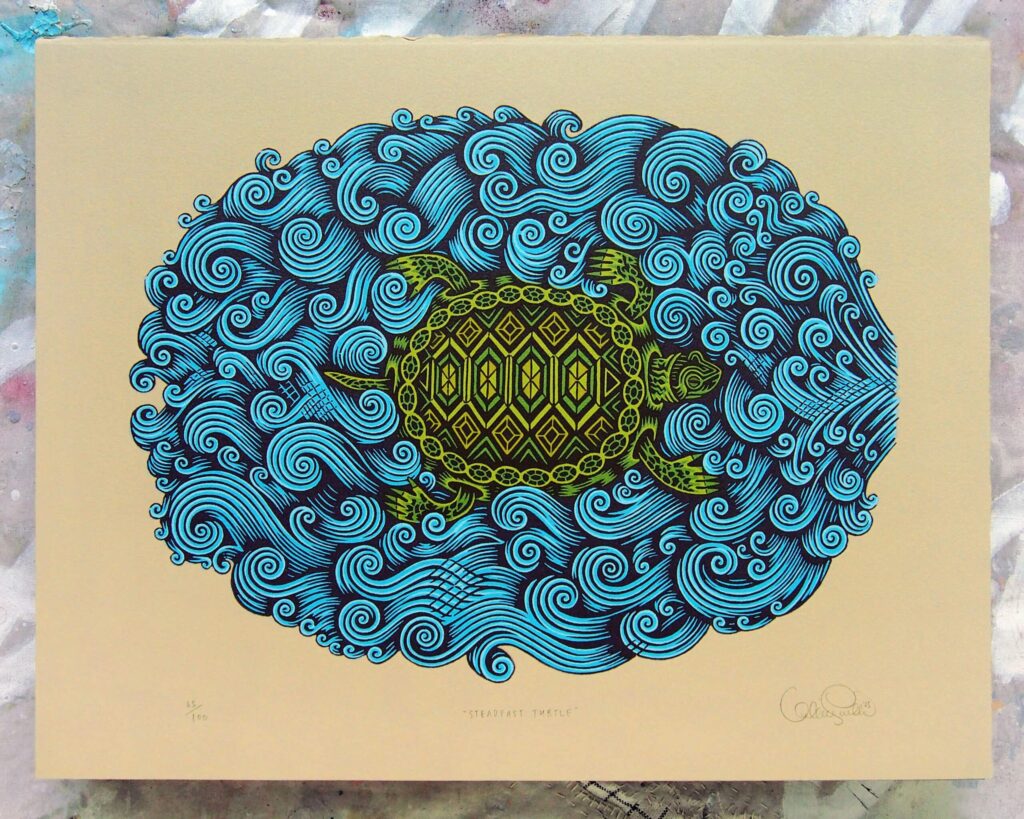
Meanwhile, Valerie Lueth (artist, printmaker and owner) runs Tugboat Printshop in Pittsburgh, PA. She’s an internationally recognized artist press specializing in finely-crafted, original woodcut prints. Her process remains rooted in traditional printmaking methods: archival papers, oil-based inks and careful registration, each print pulled by hand. The results are editions that balance meticulous craftsmanship with visual warmth and depth. Valerie’s work is celebrated for its intricate linework and layered imagery, often drawing on themes from nature, everyday life and imaginative worlds. By producing editions in multiples, she ensures her prints remain both high quality and widely accessible, carrying forward the democratic spirit that has always defined printmaking.
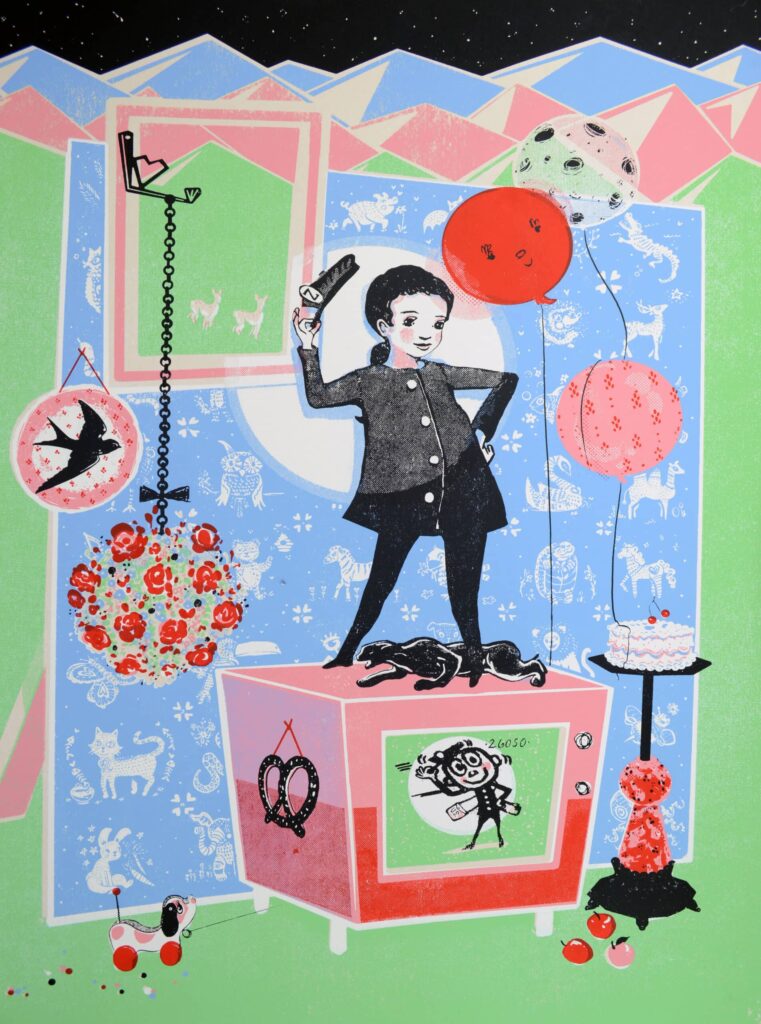
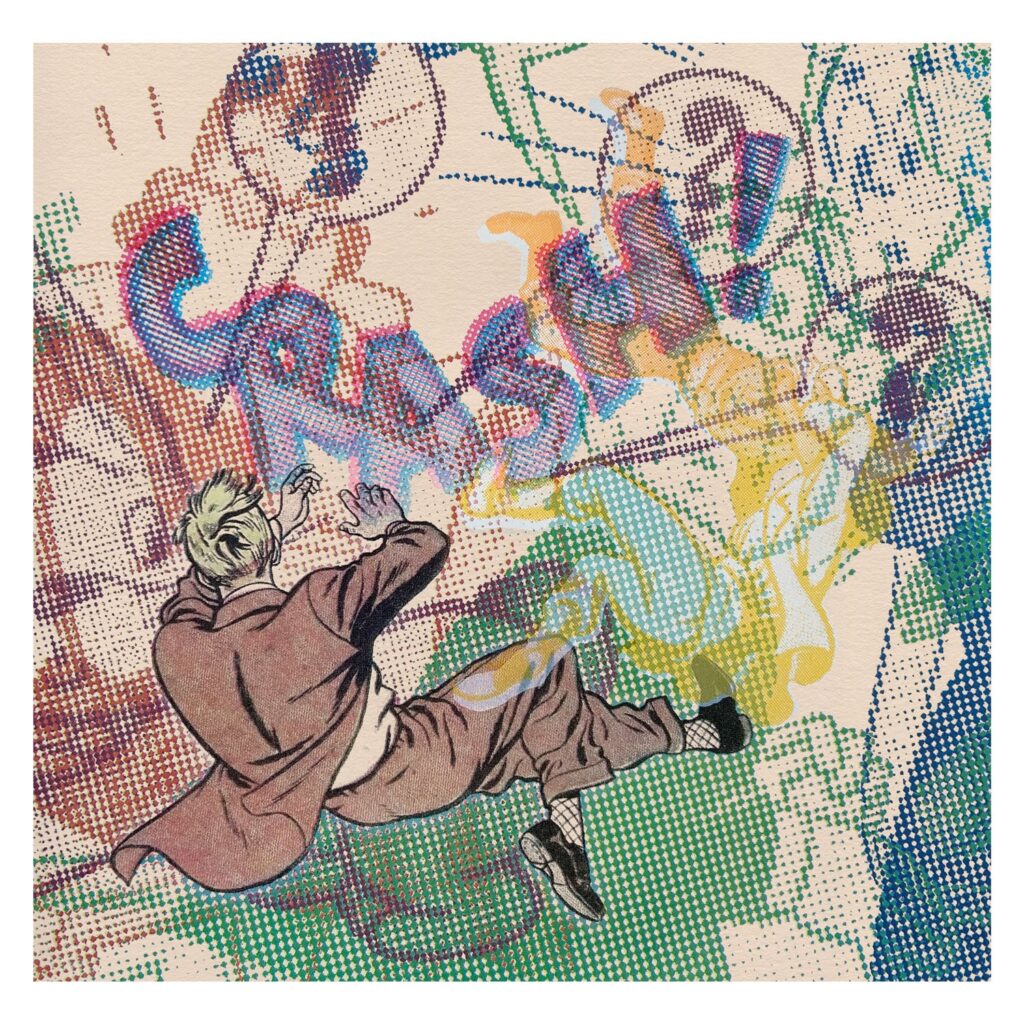
Joseph Lupo has advanced the field of printmaking both through his own practice and through his mentorship as a professor of art at West Virginia University. His guidance has shaped countless emerging artists, strengthening printmaking’s role in higher education and amplifying opportunities for Appalachian artists.
Joseph continually pushes the boundaries of traditional techniques, encouraging students to experiment across media and embrace new technologies. Skilled in lithography, relief, intaglio and screenprinting, he also incorporates laser cutting as a tool to expand the possibilities of traditional printmaking.
Beyond the classroom, Joseph connects students with real-world experiences, including internships at Artists Image Resource (AIR) in Pittsburgh, PA. This opportunity allows students to work in an active residency space, assist with print projects for nationally recognized artists and build skills through community-based partnerships with institutions such as the Mattress Factory, The Andy Warhol Museum and the Carnegie Museums. (I was fortunate to pursue this experience myself during my time at WVU.)
Warhol Takes West Virginia
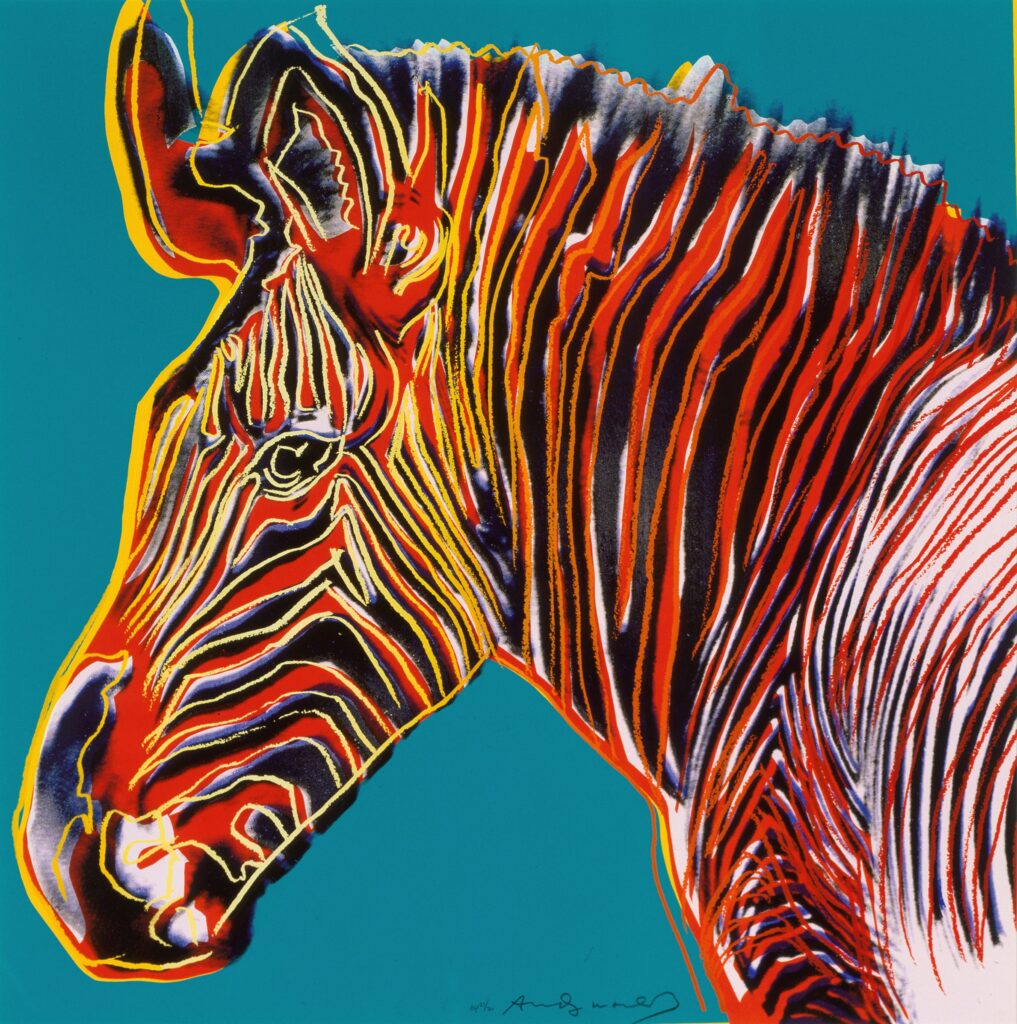
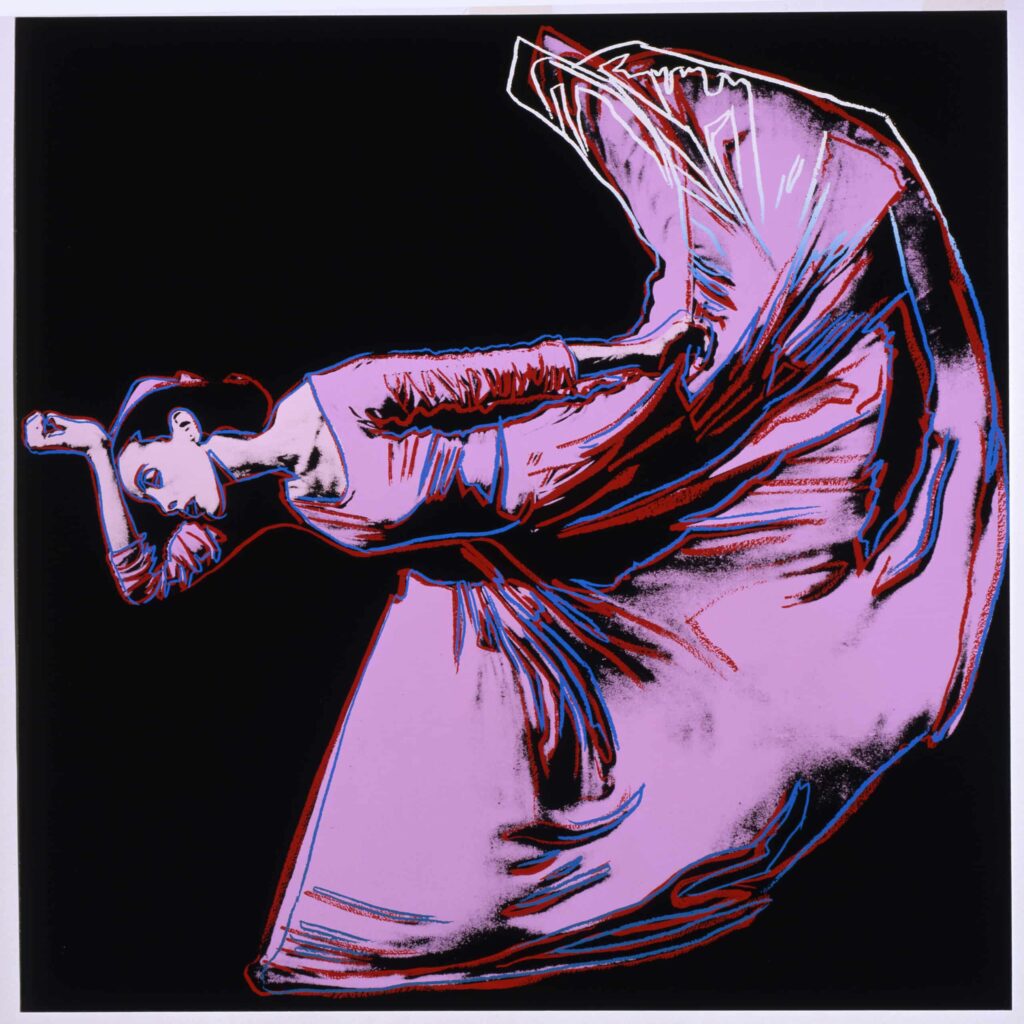
In a 1967 interview with Gretchen Berg, Andy Warhol remarked, “Mechanical means are today, and using them I can get more art to more people. Art should be for everyone. Silkscreen is as honest a method as any.” This philosophy serves as the driving force behind the upcoming exhibition, Good Business: Andy Warhol’s Screenprints.
Curated by Amber Morgan, Director of Collections and Exhibitions at The Andy Warhol Museum in Pittsburgh, this exhibition explores why screenprints are central to Andy’s artistic practice by embracing a medium that allowed both experimentation and mass distribution.
My connection to Andy’s screenprints began during my internship at AIR in Pittsburgh, where I assisted with screenprinting projects on site at the Warhol Museum. In connecting with staff at The Warhol, conversations began about this exhibition traveling, and the Clay Center’s Juliet Art Museum emerged as the perfect first venue.
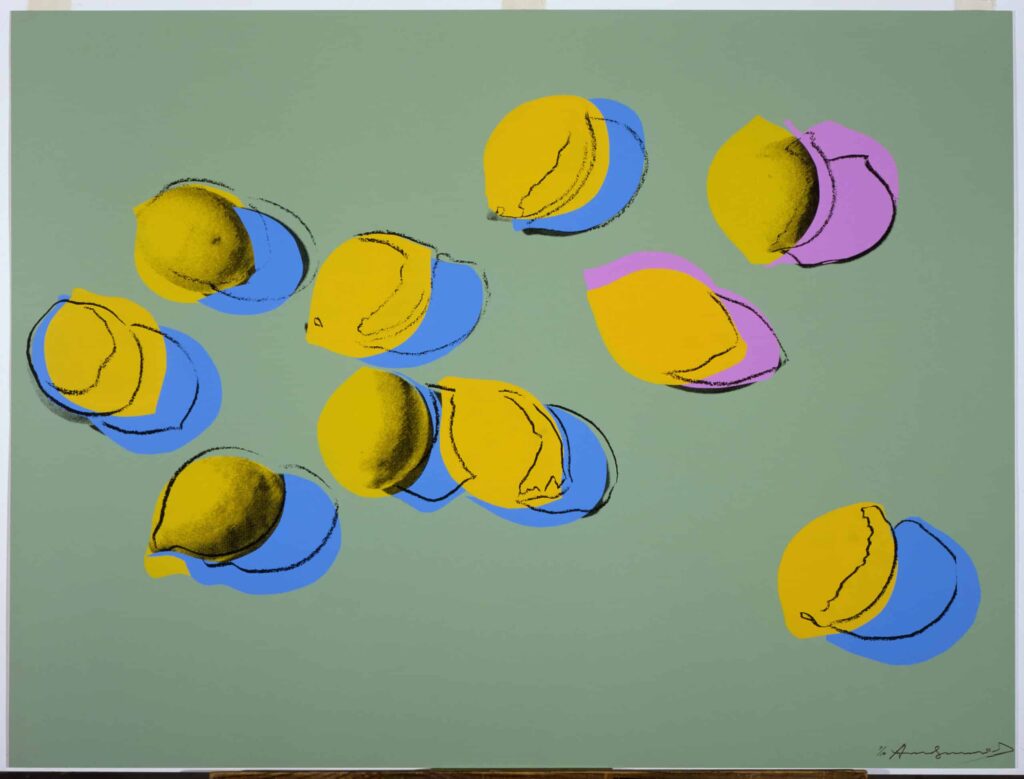
Good Business: Andy Warhol’s Screenprints offers insight into the screenprinting process and reveals how Warhol used the technique to revisit familiar themes throughout his career. The Juliet Art Museum is honored to present this exhibition on loan from October 1, 2025 through March 29, 2026. In tandem with the exhibition, the Juliet Art Museum will host hands-on experiences in printmaking through studio hours, workshops and art lab activities, inviting visitors to engage directly with the creative possibilities of the medium.
This exhibition is able to come to Charleston, WV, thanks to the generous support of the Claude Worthington Benedum Foundation, the Clay Center Board of Directors in Honor of Ellen Cappellanti, Harvey & Jennifer Peyton, The Elliot Family Foundation, the Herscher Foundation, Inc., the Daywood Foundation and the Bernard H. & Blanche E. Jacobson Foundation.
